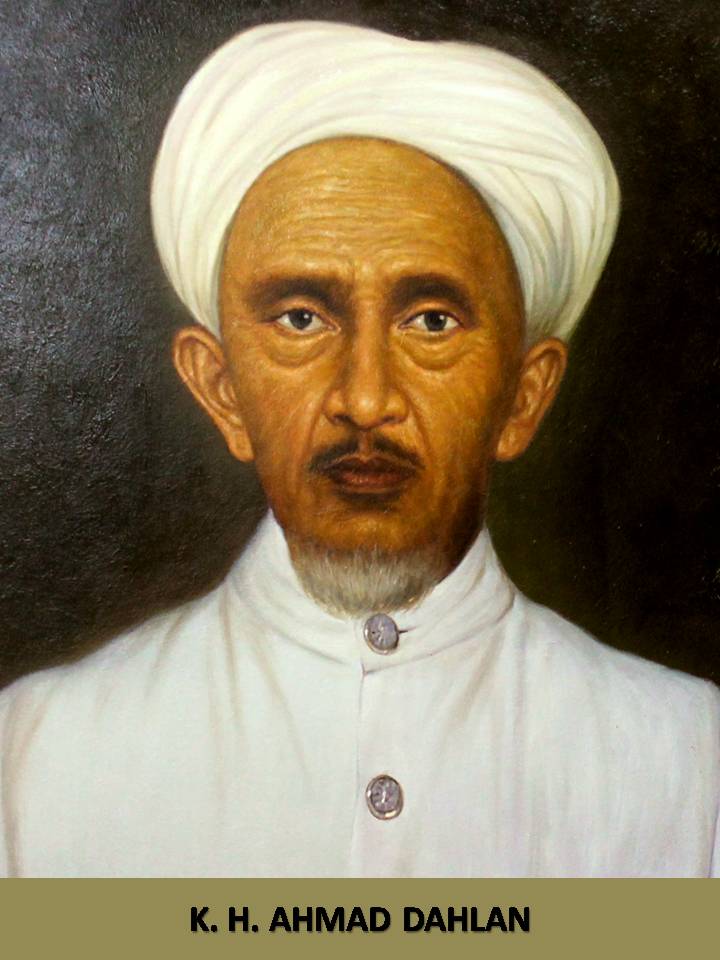
When discussing Islamic reform and modern education in Indonesia, one name stands out prominently — Ahmad Dahlan. This detailed Ahmad Dahlan Biography explores the life of a visionary scholar who transformed religious understanding, challenged outdated traditions, and laid the foundation for one of the largest Islamic organizations in Indonesia.
However, his journey was not merely about religious leadership. Rather, it was about awakening a society, modernizing education, and bridging faith with progress. So, who exactly was Ahmad Dahlan? And why does his legacy continue to shape Indonesia today?
Let’s explore his inspiring story step by step.
Early Life and Family Background
Ahmad Dahlan was born as Muhammad Darwis in 1868 in Yogyakarta. At that time, Indonesia was under Dutch colonial rule. Consequently, social and religious structures were deeply influenced by both traditional customs and colonial policies.
He was born into a respected religious family. In fact, his father was a khatib (preacher) at the Great Mosque of Yogyakarta. Therefore, from a very young age, Dahlan was immersed in Islamic teachings and spiritual discipline.
Nevertheless, even during childhood, he displayed a curious and critical mind. Instead of accepting everything at face value, he sought deeper understanding. This intellectual curiosity would later define his reformist path.
Education and Religious Studies
Initially, Ahmad Dahlan received traditional Islamic education in local pesantren (Islamic boarding schools). However, as he grew older, he realized that broader exposure was necessary.
Therefore, he traveled to Mecca to deepen his knowledge of Islam. During his stay there, he encountered reformist ideas influenced by scholars like Muhammad Abduh and Jamal al-Din al-Afghani.
Consequently, his perspective began to shift. He started questioning rigid traditions that were not directly rooted in authentic Islamic teachings.
Thus, his time in Mecca became a turning point in his intellectual development.
Return to Indonesia and Awakening of Reform
After returning to Yogyakarta, Ahmad Dahlan observed that many religious practices were mixed with superstition and local customs. While tradition held importance, he believed that Islam should be understood based on the Qur’an and Hadith rather than cultural habits.
Therefore, he began promoting a more purified and rational interpretation of Islam.
At first, his ideas were met with resistance. Understandably, change often creates discomfort. Nevertheless, Dahlan remained patient and persistent.
This stage forms a crucial chapter in any detailed Ahmad Dahlan Biography, as it marks the beginning of his reform movement.
Founding of Muhammadiyah
In 1912, Ahmad Dahlan founded Muhammadiyah in Yogyakarta.
Importantly, Muhammadiyah was not merely a religious organization. Instead, it became a social and educational movement aimed at reforming Muslim society through modern education and social services.
Through Muhammadiyah, Dahlan emphasized:
- Returning to authentic Islamic teachings
- Promoting modern education
- Encouraging social welfare
- Empowering women
Consequently, Muhammadiyah grew rapidly and eventually became one of the largest Islamic organizations in Indonesia.
Educational Reforms and Modernization
One of Ahmad Dahlan’s most significant contributions was educational reform.
Traditionally, Islamic education focused primarily on religious studies. However, Dahlan believed that Muslims should also study science, mathematics, and modern subjects.
Therefore, he established schools that combined religious teachings with general education.
As a result, students received a balanced education that prepared them for both spiritual and worldly success.
Furthermore, this innovative approach strengthened Muslim communities under colonial rule.
Advocacy for Women’s Education
Additionally, Ahmad Dahlan supported women’s empowerment — a progressive stance for his time.
He encouraged his wife, Siti Walidah, to establish Aisyiyah, the women’s wing of Muhammadiyah.
Consequently, women gained access to education and organizational leadership roles.
Thus, his reform was not limited to men but extended across society.
Challenges and Opposition
Naturally, reform movements rarely proceed smoothly.
Ahmad Dahlan faced criticism from conservative religious groups who viewed his ideas as radical. Moreover, colonial authorities monitored Islamic movements cautiously.
Nevertheless, he maintained a peaceful and intellectual approach. Instead of confrontation, he relied on dialogue and education.
Gradually, his sincerity and dedication earned respect.
Leadership Style and Personal Character
Ahmad Dahlan was known for his humility and integrity. Despite leading a growing organization, he lived simply.
Moreover, he emphasized practice over rhetoric. For instance, he personally engaged in teaching, mentoring, and community service.
Therefore, his leadership inspired trust and loyalty among followers.
Impact on Indonesian Society
The impact of Ahmad Dahlan extended beyond religious reform.
Firstly, he modernized Islamic education.
Secondly, he promoted social welfare institutions such as orphanages and hospitals.
Thirdly, he encouraged critical thinking within religious understanding.
Consequently, his efforts contributed significantly to Indonesia’s intellectual and spiritual awakening.
This dimension is essential in understanding the broader influence within the Ahmad Dahlan Biography narrative.
Relationship with Nationalism
Although Ahmad Dahlan focused primarily on religious reform, his movement indirectly supported Indonesian nationalism.
By empowering Muslim communities through education and organization, Muhammadiyah strengthened social unity during colonial rule.
Thus, religious reform and national awakening progressed hand in hand.
Death and Legacy
Ahmad Dahlan passed away in 1923 in Yogyakarta. However, his mission did not end with his death.
Instead, Muhammadiyah continued to expand across Indonesia. Today, it operates thousands of schools, universities, hospitals, and charitable institutions.
Moreover, Ahmad Dahlan was later declared a National Hero of Indonesia.
Therefore, his legacy remains alive in both religious and social spheres.
Philosophy and Core Beliefs
At the heart of his reform was a simple yet powerful belief: Islam must adapt intellectually without compromising its core principles.
He emphasized:
- Rational interpretation
- Social responsibility
- Moral discipline
- Educational advancement
In essence, faith and progress were not opposites — they were partners.
Why Ahmad Dahlan Matters Today
Even today, discussions about religious reform and modernization continue.
Therefore, the principles outlined in this Ahmad Dahlan Biography remain highly relevant.
In a rapidly changing world, balancing tradition with progress is essential. Dahlan demonstrated that reform can be rooted in authenticity rather than rejection of faith.
Lessons from Ahmad Dahlan’s Life
His life teaches us several valuable lessons:
- Education is transformative.
- Reform requires patience.
- Leadership demands humility.
- Change begins with awareness.
Consequently, his journey inspires not only Indonesians but also reformers worldwide.
Conclusion
In conclusion, this comprehensive Ahmad Dahlan Biography highlights the remarkable journey of a reformer who reshaped Islamic thought and education in Indonesia.
From a curious young student in Yogyakarta to the founder of Muhammadiyah, his life was dedicated to renewal and empowerment.
Ultimately, Ahmad Dahlan proved that true reform begins with knowledge, continues with courage, and succeeds through service.
His influence remains deeply embedded in Indonesia’s educational and religious landscape — a legacy that continues to grow.
FAQs
1. Who was Ahmad Dahlan?
He was an Indonesian Islamic scholar and reformer who founded Muhammadiyah.
2. What is Muhammadiyah?
Muhammadiyah is one of Indonesia’s largest Islamic organizations focused on education and social welfare.
3. Why is Ahmad Dahlan considered a reformer?
Because he promoted modern education and encouraged a return to authentic Islamic teachings.
4. When was Ahmad Dahlan born?
He was born in 1868 in Yogyakarta.
5. What is his lasting contribution?
His lasting contribution lies in educational reform, social service, and the establishment of Muhammadiyah.