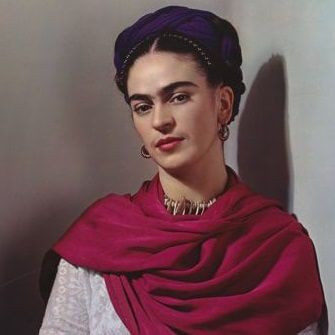
The Frida Kahlo biography tells a story of pain, resilience, creativity, and identity. Few artists in history turned personal suffering into such powerful art. Frida Kahlo used her paintings to reveal deep emotions, cultural pride, and personal truth. Her work feels raw and honest. It shows heartbreak, physical pain, and fierce determination.
Frida Kahlo was born in Mexico in 1907. She lived during a time of social and political change. Mexico was shaping its modern identity after revolution. Kahlo’s art reflected this transformation. She painted Mexican traditions, indigenous culture, and women’s experiences with striking intensity.
Many people first recognize her bold self-portraits. Thick eyebrows, flowers in her hair, and colorful clothing became her visual signature. Yet these images carried deeper meaning. Each painting showed a piece of her inner life. Her art explored identity, love, pain, and survival.
Her life was not easy. A childhood illness weakened her body. Later, a terrible accident shattered her spine and pelvis. Dozens of surgeries followed. Long periods of recovery were endured. Pain became a constant companion.
Instead of surrendering to despair, Kahlo turned to painting. Art became her voice. She painted from bed during recovery. A mirror was installed above her bed so she could paint herself. This is why many of her works are self-portraits.
The Frida Kahlo biography is more than an artist’s story. It is a powerful example of how creativity can grow from struggle. Her work now inspires millions worldwide.
Early Life and Family Background
Frida Kahlo was born on July 6, 1907, in Coyoacán, a district of Mexico City. Her full name was Magdalena Carmen Frida Kahlo y Calderón. Her father, Guillermo Kahlo, worked as a photographer. He immigrated from Germany to Mexico. Her mother, Matilde Calderón, came from Mexican and Indigenous heritage.
The household mixed European and Mexican influences. This cultural blend shaped Frida’s identity. She later celebrated Mexican traditions through clothing, jewelry, and art. Indigenous culture fascinated her deeply.
Frida grew up in the famous Casa Azul, or Blue House. The home was painted bright blue. It became a symbol of her life. Today, the house operates as a museum dedicated to her work.
Her childhood was not entirely carefree. At age six, she contracted polio. One leg became thinner than the other. She walked with a limp for much of her life. Children sometimes mocked her appearance.
This early struggle built her strong personality. Frida refused to appear weak. She practiced sports to strengthen her body. Swimming, boxing, and cycling were enjoyed. These activities were unusual for girls at the time.
Her father supported her intellectual curiosity. He encouraged her to read, observe art, and think independently. This bond shaped her creative future. She often said her father understood her better than anyone.
The early chapter of the Frida Kahlo biography reveals a determined young girl. Even before tragedy struck, resilience was already forming.
Education and Early Dreams
Frida Kahlo entered the National Preparatory School in Mexico City in 1922. The school was prestigious. Only a small number of female students were admitted. Kahlo was among them.
At that time, she did not plan to become an artist. Medicine fascinated her. She dreamed of becoming a doctor. Science and anatomy interested her deeply. These interests later influenced her paintings of the human body.
At school, she joined a rebellious student group called “Los Cachuchas.” The group challenged authority and explored new political ideas. Members debated philosophy, literature, and art. Their conversations shaped Frida’s worldview.
During these years, she met Diego Rivera. Rivera was already a famous muralist. He painted large murals at the school. Frida watched him work and admired his talent.
Their paths would cross again later in life. At that moment, however, she remained a curious student with many ambitions.
Her future changed suddenly in 1925.
The Bus Accident That Changed Everything
One tragic event transformed the entire Frida Kahlo biography. On September 17, 1925, Frida boarded a bus with her boyfriend. The bus collided with a streetcar.
The accident was catastrophic. A metal handrail pierced her pelvis. Her spine fractured. Several ribs broke. Her collarbone cracked. Her leg shattered. Doctors feared she would not survive.
Frida spent months in the hospital. Her body was placed in a full plaster cast. She could barely move. Pain followed every breath.
During recovery, boredom and frustration grew. Her parents helped by placing a mirror above her bed. They also gave her painting supplies.
That moment changed her life. Frida began painting self-portraits.
She once explained her motivation clearly:
“I paint myself because I am often alone and I am the subject I know best.”
Her injuries never fully healed. More than thirty surgeries were performed during her lifetime. Yet painting became her therapy and expression.
The accident was devastating. Still, it gave birth to one of history’s most powerful artistic voices.
Discovering Her Artistic Voice
Frida Kahlo’s art developed quickly. She studied classical techniques and Mexican folk traditions. Her paintings looked simple at first glance. Yet they carried deep symbolism.
Many artists chased beauty or fame. Kahlo chased truth. She painted physical pain, emotional trauma, and personal identity.
Self-portraits became her main style. Nearly one third of her paintings depict herself. Each portrait reveals a different emotional state.
Animals often appeared in her works. Monkeys, parrots, and dogs surrounded her. These animals symbolized protection, companionship, or emotional struggle.
Nature also played a major role. Flowers, plants, and roots surrounded her figures. These elements connected her to Mexican identity and fertility themes.
Her paintings were sometimes described as surreal. However, Kahlo rejected that label. She insisted her paintings were not dreams.
“I never paint dreams,” she said. “I paint my own reality.”
The artistic journey described in the Frida Kahlo biography reveals a painter who transformed pain into powerful imagery.
Marriage to Diego Rivera
Frida Kahlo married Diego Rivera in 1929. Rivera was twenty years older. Their relationship shocked many people.
Friends described them as “the elephant and the dove.” Rivera was large and imposing. Kahlo was small but fiery.
Their marriage was passionate yet turbulent. Both partners had strong personalities. Both engaged in multiple affairs.
Rivera’s infidelity caused deep emotional wounds. Kahlo expressed her heartbreak through paintings. Works like A Few Small Nips and The Two Fridas reflect this pain.
Despite conflict, they shared artistic respect. Rivera admired her work deeply. He once declared that Frida was the greatest female painter in history.
Their relationship became one of the most famous artistic partnerships ever recorded.
Love, betrayal, and artistic collaboration filled this chapter of the Frida Kahlo biography.
Artistic Themes and Style
Frida Kahlo’s art is instantly recognizable. Several themes appear repeatedly throughout her work.
Identity and Self-Portraits
Kahlo painted herself often. Each portrait explored her emotional state. Her expressions appear calm but intense. Pain hides behind stillness.
Physical Suffering
Medical imagery appears frequently. Broken columns, nails, blood, and scars represent her injuries. These images express chronic pain.
Mexican Culture
Traditional clothing, jewelry, and flowers appear constantly. Kahlo celebrated Indigenous Mexican culture. She rejected European artistic dominance.
Love and Betrayal
Her relationship with Rivera inspired many paintings. Passion and heartbreak were portrayed through symbolism.
Feminine Strength
Kahlo’s work challenged traditional images of women. She painted female strength, sexuality, and independence.
Her style blended realism with symbolic fantasy. Colors were bold. Composition was direct.
The artistic evolution found in the Frida Kahlo biography helped define modern feminist art.
International Recognition
Frida Kahlo’s work began gaining attention during the 1930s. Diego Rivera’s fame helped introduce her to international artists.
In 1938, her first solo exhibition opened in New York. The show was organized by gallery owner Julien Levy. Critics praised her originality.
The Louvre Museum in Paris later purchased one of her paintings. This marked an important milestone. She became the first Mexican artist in the museum’s collection.
Despite success abroad, she remained deeply connected to Mexico. She preferred painting at home rather than traveling extensively.
Recognition grew slowly. During her lifetime, Rivera remained more famous. Yet her reputation expanded dramatically after her death.
Health Struggles and Personal Pain
Pain shaped much of Kahlo’s life. Her injuries required continuous treatment. She wore medical corsets to support her spine.
Doctors performed many operations. Some succeeded. Others caused more suffering.
Later in life, gangrene developed in her leg. Part of the leg was amputated. Depression followed.
Despite intense suffering, Kahlo continued painting. Art gave her purpose.
Friends described her as humorous and lively despite pain. She hosted parties at the Blue House. Music, laughter, and politics filled the rooms.
This contrast defined her character. Pain existed, yet joy survived alongside it.
Political Beliefs and Activism
Frida Kahlo held strong political views. She joined the Mexican Communist Party. Social justice mattered deeply to her.
She believed art should reflect society and struggle. Her work often expressed solidarity with workers and indigenous communities.
Kahlo and Rivera also hosted political exiles. Russian revolutionary Leon Trotsky stayed in their home for a period.
Politics influenced both her life and art. Revolutionary ideals shaped her worldview.
Final Years and Death
Frida Kahlo’s health worsened in the early 1950s. Doctors restricted her mobility. Yet she refused to stop painting.
Her first solo exhibition in Mexico occurred in 1953. Doctors ordered her to stay in bed. She ignored them.
Frida arrived at the gallery in an ambulance. Her bed was placed in the center of the room. Guests surrounded her as she celebrated.
This moment captured her spirit perfectly. Even severe illness could not silence her.
Frida Kahlo died on July 13, 1954, at age 47. The official cause was pulmonary embolism. Some historians speculate other possibilities.
Her body was cremated. Her ashes remain in the Blue House.
Legacy and Global Influence
Today, Frida Kahlo stands among the most recognized artists in the world. Her face appears on posters, clothing, and murals worldwide.
Museums dedicate exhibitions to her work. Scholars analyze her paintings. Feminist movements celebrate her strength.
The Frida Kahlo biography now symbolizes resilience, identity, and artistic freedom.
Her life reminds us that creativity can rise from pain. Personal struggle can inspire universal expression.
Conclusion
Frida Kahlo lived a short but extraordinary life. Her art transformed suffering into visual poetry. Physical pain shaped her journey, but it never defeated her spirit.
Her self-portraits reveal emotional honesty rarely seen in art history. She painted reality without hiding discomfort or vulnerability.
The Frida Kahlo biography remains one of the most powerful stories in modern art. Her paintings continue to inspire artists, activists, and dreamers around the world.
FAQs
1. Why is Frida Kahlo famous?
Frida Kahlo is famous for her emotional self-portraits and unique artistic style.
2. How many paintings did Frida Kahlo create?
She produced about 143 paintings during her lifetime.
3. What inspired her art?
Her injuries, relationships, Mexican culture, and personal identity inspired her work.
4. Where can people see her artwork today?
Many paintings are displayed in museums worldwide and in the Frida Kahlo Museum in Mexico City.
5. Why are self-portraits common in her work?
She painted herself often because she spent long periods alone during recovery.