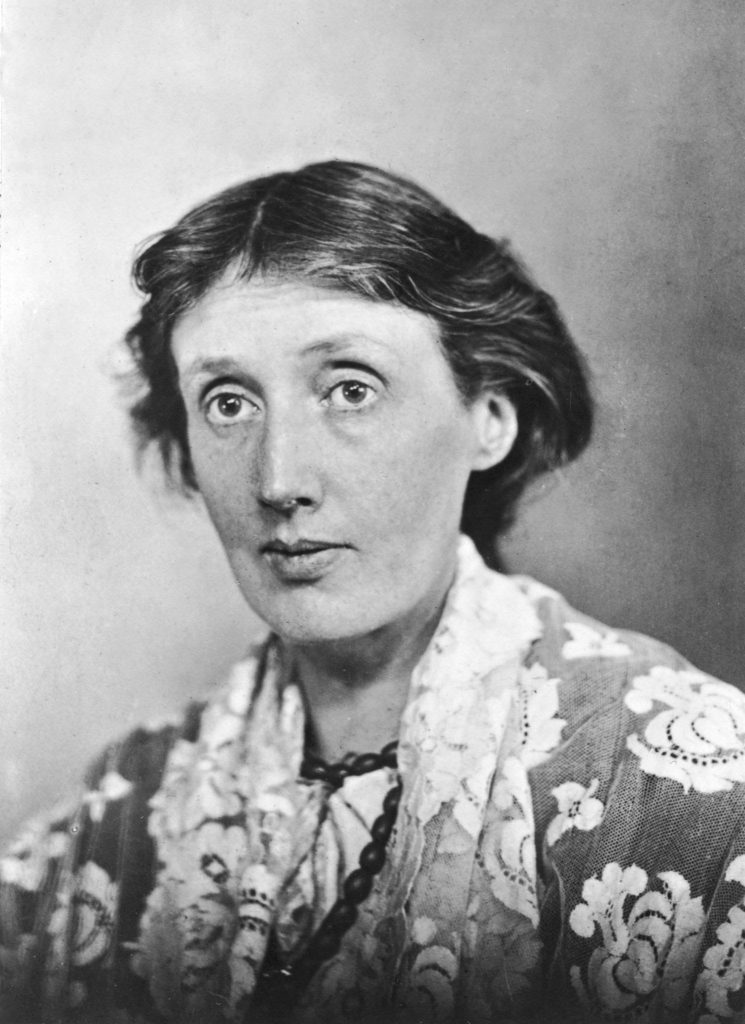
The Virginia Woolf biography tells the story of one of the most influential writers of the twentieth century. Her novels transformed modern literature. She explored human thoughts, emotions, and memory in ways that few writers had attempted before.
Virginia Woolf became a central figure in literary modernism. Her writing rejected traditional storytelling methods. Instead, she focused on inner consciousness. She examined how people experience time, memory, and identity.
Her work also challenged social expectations. She criticized the restrictions placed on women in education and creative life. Through essays and novels, she argued that women deserved independence and intellectual freedom.
Readers still study her books around the world. Works like Mrs Dalloway and To the Lighthouse remain essential texts in literature courses. Scholars continue to analyze her ideas about gender, art, and society.
The Virginia Woolf biography is not only a literary story. It is also a personal story about creativity, resilience, and struggle. Her life contained brilliance and difficulty. Understanding her journey helps readers understand her extraordinary writing.
Why Her Writing Still Matters
Virginia Woolf changed the way stories could be written. Traditional novels focused on plot and action. Woolf focused on the human mind. She explored how thoughts flow and change throughout a single day.
Her method is often called stream of consciousness. This style attempts to capture the natural movement of thoughts and memories. Instead of clear chronological order, events appear through reflections and emotions.
This technique influenced many writers who followed her. Authors across Europe and America adopted similar approaches. Modern literature would look very different without her innovations.
Her work also addressed social issues that remain important today. She wrote about women’s rights, education, and economic independence. Her essay A Room of One’s Own argued that women needed financial freedom and personal space to create art.
Because of these ideas, the Virginia Woolf biography continues to attract scholars and readers. Her writing still speaks to modern discussions about identity and creativity.
Early Life and Family Background
Birth and Childhood in London
Virginia Woolf was born on January 25, 1882, in London, England. Her birth name was Adeline Virginia Stephen. She grew up in an educated and culturally rich household.
Her father, Leslie Stephen, worked as a writer, historian, and literary critic. He edited an important reference work called the Dictionary of National Biography. Her mother, Julia Stephen, was known for her beauty and charitable work.
The family lived in a large house filled with books. Writers, thinkers, and artists frequently visited. These conversations exposed Virginia to intellectual ideas from an early age.
Although the home environment encouraged creativity, it also reflected strict Victorian values. Boys in the family received formal education at universities. Girls were usually taught at home.
These circumstances shaped the early chapters of the Virginia Woolf biography. They influenced her views about gender inequality in education.
The Intellectual Environment of Her Home
The Stephen household functioned almost like a private library. Shelves overflowed with books on literature, philosophy, and history. Virginia spent long hours reading and exploring these works.
Her father played an important role in her intellectual development. He encouraged curiosity and independent thinking. She often used his extensive library to educate herself.
However, the family also experienced emotional complexity. Several children from earlier marriages lived in the house. Relationships sometimes felt tense and complicated.
These experiences later appeared in her fiction. Many characters in her novels struggle with family expectations and personal identity.
Through these early influences, the foundation of the Virginia Woolf biography began to form. Books, conversation, and reflection shaped her mind.
Education and Early Influences
Self-Education Through Books
Virginia Woolf never attended university. Women had limited access to higher education in Britain during the nineteenth century. Despite this barrier, she created her own intellectual path.
She read widely and constantly. Her interests included Greek literature, philosophy, history, and poetry. Classical writers such as Sophocles and Euripides fascinated her.
She also admired modern authors like Henry James and Marcel Proust. Their exploration of psychological depth influenced her own writing style.
By studying literature independently, she developed a unique voice. Her work blended classical knowledge with experimental storytelling.
This self-education remains an important theme in the Virginia Woolf biography. It demonstrates how determination can overcome social limitations.
Early Experiences With Loss
Virginia Woolf experienced several tragedies during her youth. Her mother died suddenly when Virginia was only thirteen years old. This event deeply affected the entire family.
A few years later, her half-sister Stella also passed away. Soon after, her father’s health began to decline. These repeated losses created emotional instability.
Historians believe these experiences contributed to her struggles with mental health later in life. She experienced periods of depression and nervous breakdowns.
Despite these challenges, she continued writing and reading intensely. Literature became a source of comfort and understanding.
These emotional experiences shaped the themes explored in the Virginia Woolf biography. Many of her novels examine grief, memory, and human fragility.
The Bloomsbury Group
Friends, Artists, and Thinkers
After her father’s death in 1904, Virginia moved with her siblings to the Bloomsbury district of London. This move marked a new chapter in her life.
Their home soon became a meeting place for artists, writers, and intellectuals. This circle later became known as the Bloomsbury Group.
Members included economist John Maynard Keynes, writer Lytton Strachey, and artist Vanessa Bell. These individuals believed in artistic freedom and open discussion.
The group rejected many traditional social values. They encouraged creativity, honesty, and intellectual exploration.
The Bloomsbury environment played a major role in shaping the Virginia Woolf biography. It allowed her to experiment with ideas and artistic forms.
Marriage to Leonard Woolf
Founding the Hogarth Press
Virginia married writer and political thinker Leonard Woolf in 1912. Their partnership combined intellectual collaboration and emotional support.
Together they founded the Hogarth Press in 1917. They operated the printing press from their home. At first, the project began as a hobby.
Soon the press published works by important modernist writers. These included T.S. Eliot and Katherine Mansfield.
Publishing their own books gave Virginia creative control. She could experiment with style and content without commercial pressure.
The success of Hogarth Press represents a significant achievement in the Virginia Woolf biography.
Literary Career and Major Works
Early Novels and Experiments
Virginia Woolf published her first novel, The Voyage Out, in 1915. The book introduced her literary voice to readers. It explored themes of self-discovery and social expectation.
Her second novel, Night and Day, followed in 1919. This work examined relationships and women’s independence.
Although these early novels used traditional narrative structure, she soon moved toward experimental forms.
This transition marked the beginning of the innovative writing style celebrated in the Virginia Woolf biography.
Masterpieces of Modernism
During the 1920s, Virginia Woolf produced her most famous works. These novels changed the direction of modern literature.
Her novel Mrs Dalloway appeared in 1925. The story follows a single day in the life of Clarissa Dalloway. Through memories and reflections, Woolf explores time and identity.
Another masterpiece, To the Lighthouse, was published in 1927. The novel examines family relationships and the passage of time.
Her imaginative novel Orlando appeared in 1928. The story follows a character who lives for centuries and changes gender.
These works demonstrate the artistic brilliance highlighted in the Virginia Woolf biography.
Feminism and Social Ideas
A Room of One’s Own
Virginia Woolf published A Room of One’s Own in 1929. The essay remains one of the most influential feminist texts ever written.
In this work, she argues that women need financial independence and personal space to create literature. She famously wrote that a woman needs “money and a room of her own” to write fiction.
Her argument challenged centuries of social inequality. She examined how historical barriers limited women’s artistic opportunities.
Today the essay continues to inspire discussions about gender equality in literature and education.
Mental Health and Personal Struggles
Virginia Woolf struggled with mental illness throughout her life. She experienced severe episodes of depression and anxiety.
Doctors at the time had limited understanding of mental health. Treatments often involved rest and isolation.
Despite these difficulties, she continued writing and publishing major works. Her dedication to literature remained strong.
Scholars believe her emotional sensitivity contributed to the depth of her writing.
Final Years and Death
During World War II, London faced bombing raids and social uncertainty. These events increased Virginia’s emotional distress.
In March 1941, she wrote a farewell letter to her husband Leonard. She walked to the River Ouse near her home in Sussex.
She filled her coat pockets with stones and entered the water. Her body was discovered several weeks later.
Her death marked the tragic end of a brilliant literary life.
Legacy and Influence
Virginia Woolf’s influence on literature remains profound. Scholars study her work across universities worldwide.
Her writing expanded the possibilities of narrative form. She explored consciousness, memory, and identity in revolutionary ways.
Feminist thinkers also continue to draw inspiration from her essays. Her arguments about women’s creative independence remain relevant today.
Through her novels and ideas, the Virginia Woolf biography continues to shape literary thought and cultural discussion.
Conclusion
Virginia Woolf’s life reflects both extraordinary creativity and personal struggle. She transformed the modern novel through bold experimentation and psychological depth.
Her works challenged social norms and expanded the possibilities of storytelling. She explored the inner life of characters with remarkable insight.
Through essays, novels, and intellectual debate, she helped reshape literature in the twentieth century.
The Virginia Woolf biography stands as a testament to artistic courage. Her voice continues to influence writers, scholars, and readers across the world.
FAQs
1. Who was Virginia Woolf?
Virginia Woolf was a British modernist writer known for experimental novels and feminist essays.
2. When was Virginia Woolf born?
She was born on January 25, 1882, in London, England.
3. What are Virginia Woolf’s most famous books?
Her most famous works include Mrs Dalloway, To the Lighthouse, and A Room of One’s Own.
4. What literary style did Virginia Woolf use?
She used the stream-of-consciousness technique to explore characters’ thoughts and emotions.
5. Why is Virginia Woolf important today?
Her writing transformed modern literature and inspired global discussions about gender equality and creativity.