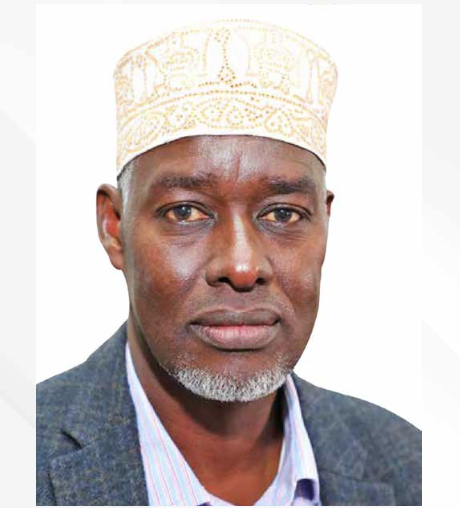
When you hear the phrase Judge Warsame biography, you’re stepping into the story of a legal mind shaped by discipline, persistence, and a relentless commitment to justice. Justice Mohamed Abdulahi Warsame is not just another name in Kenya’s judiciary—he represents a generation of judges who have actively shaped legal systems during times of reform and transformation. His career spans over three decades, marked by consistent growth from a practicing lawyer to one of the most respected figures in the appellate courts.
What makes his story compelling isn’t just the titles he holds, but the journey behind them. Think about it: how many legal professionals transition from courtroom advocacy to influencing national judicial policy? Warsame did exactly that—and he did it while maintaining a reputation for efficiency and integrity. His recent nomination to the Supreme Court in 2026 has once again placed him in the spotlight, sparking renewed interest in his life story and achievements.
This article unpacks everything—from his early beginnings to his rise through Kenya’s judicial ranks. Along the way, you’ll discover not just facts, but the deeper narrative of a man whose decisions have impacted thousands of lives. So, if you’ve ever wondered what it takes to reach the pinnacle of a legal career, this Judge Warsame biography gives you the full picture.
Quick Facts About Judge Warsame
| Attribute | Details |
|---|---|
| Full Name | Mohamed Abdulahi Warsame |
| Profession | Judge, Court of Appeal (Kenya) |
| Years Active | Over 30 years |
| Education | LLB – University of Nairobi |
| Law Training | Kenya School of Law |
| Judiciary Entry | 2003 (High Court Judge) |
| Court of Appeal | Appointed in 2012 |
| Major Role | JSC Commissioner |
| Key Achievement | Released 7,000+ petty offenders |
| Latest Update | Nominated to Supreme Court (2026) |
Early Life and Background
Birth and Upbringing
Every remarkable journey begins somewhere, and for Justice Warsame, it started in a setting that shaped his worldview long before he entered a courtroom. While detailed public records about his exact birthplace remain limited, what stands out clearly is his connection to a region where legal systems and governance structures were evolving rapidly. Growing up in such an environment often instills a sense of responsibility, and in Warsame’s case, it seems to have planted the seeds for a future in law.
Imagine growing up in a society where justice isn’t always guaranteed—where legal frameworks are still finding their footing. That kind of environment doesn’t just influence you; it pushes you. It forces you to think critically about fairness, authority, and the rule of law. For Warsame, these early exposures likely shaped his desire to pursue a profession that could create tangible change.
His formative years weren’t just about academics; they were about observation. Watching how disputes were resolved—or sometimes not resolved—may have been one of the earliest inspirations behind his legal ambitions. That foundation would later prove crucial as he navigated the complexities of Kenya’s judicial system.
Cultural and Family Influences
Behind every successful individual lies a network of influences—family, culture, and community. For Warsame, these elements played a subtle yet powerful role in shaping his identity. Cultural values emphasizing discipline, respect, and responsibility likely reinforced his commitment to public service.
Family environments often act as the first classroom, and it’s reasonable to infer that Warsame’s upbringing encouraged education and professional ambition. Whether through direct mentorship or simply through example, these influences helped him develop the resilience needed for a demanding legal career.
Culture, too, played its part. In many African societies, leadership and justice carry deep moral significance. These aren’t just professional roles—they’re responsibilities tied to community well-being. Warsame’s later work, especially in prison reform and judicial efficiency, reflects this broader understanding of justice.
Education
University of Nairobi Experience
Education is where ambition meets structure, and for Justice Warsame, the University of Nairobi served as the launching pad for his legal career. Earning a Bachelor of Laws (LLB) from one of Kenya’s most prestigious institutions is no small feat—it requires intellectual rigor, discipline, and an ability to think critically under pressure.
During his time at university, Warsame would have been immersed in legal theory, case studies, and debates that challenge even the sharpest minds. Law school isn’t just about memorizing statutes; it’s about learning how to interpret them, question them, and apply them in real-world scenarios. That training likely sharpened his analytical skills, preparing him for the courtroom battles ahead.
But let’s be real—law school is also a test of endurance. Long nights, complex readings, and constant evaluations push students to their limits. Warsame’s success in this environment speaks volumes about his determination and intellectual capability. It’s where he began transforming from a curious student into a future legal authority.
Kenya School of Law Training
After earning his degree, Warsame took the next crucial step: professional training at the Kenya School of Law. This phase bridges the gap between theory and practice, turning academic knowledge into practical legal skills.
Here, he would have learned the intricacies of courtroom procedures, legal drafting, and client representation. Think of it as the final polishing stage—where raw talent is refined into professional competence. This training prepared him not just to practice law, but to excel in it.
The Kenya School of Law is known for its rigorous standards, and completing its program is a mark of readiness for the legal profession. For Warsame, it was the final step before entering a career that would eventually lead him to the highest levels of judicial authority.
Legal Career Beginnings
Early Practice as Advocate
Before becoming a judge, Warsame walked the demanding path of a practicing advocate. This phase is often overlooked, but it’s where many legal professionals truly learn the craft. As an advocate of the High Court of Kenya, he dealt with real clients, real disputes, and real consequences.
Imagine standing in court, representing someone whose future depends on your argument. That pressure shapes you—it forces you to think quickly, communicate clearly, and remain composed under scrutiny. Warsame’s experience as an advocate would later influence his judicial approach, giving him a deep understanding of both sides of the courtroom.
This period also allowed him to build a reputation. In law, reputation isn’t just about winning cases—it’s about integrity, consistency, and professionalism. These qualities likely contributed to his eventual appointment to the bench.
Entry into Judiciary
In 2003, Warsame made a significant transition from advocate to judge, joining the High Court of Kenya. This move marked the beginning of a new chapter—one where he shifted from arguing cases to deciding them.
Becoming a judge isn’t just a promotion; it’s a transformation. It requires impartiality, wisdom, and a deep commitment to justice. Warsame quickly proved himself capable, handling cases across multiple divisions including commercial, criminal, and judicial review.
This versatility is rare. Many judges specialize in one area, but Warsame’s ability to navigate different legal domains demonstrated both adaptability and expertise. It set the stage for his eventual rise to higher courts.
Rise in the Judiciary
High Court Tenure
Warsame’s time at the High Court was defined by efficiency and impact. He handled a wide range of cases, from complex commercial disputes to sensitive criminal matters. His ability to manage caseloads effectively earned him recognition within the judiciary.
One of the most telling indicators of a judge’s effectiveness is case clearance rate—and Warsame excelled in this area. Clearing cases efficiently doesn’t just reflect productivity; it ensures timely justice, which is crucial for public trust in the legal system.
Appointment to Court of Appeal
In 2012, Warsame was elevated to the Court of Appeal, one of Kenya’s highest judicial bodies. This appointment marked a turning point in his career, placing him in a position to influence legal precedents and national jurisprudence.
At this level, decisions don’t just resolve disputes—they shape the interpretation of law for years to come. Warsame’s role required not only legal expertise but also a broader understanding of societal implications.
Major Achievements
Judicial Service Commission Role
Warsame’s influence extended beyond the courtroom when he became a member of the Judicial Service Commission (JSC). This role allowed him to participate in shaping judicial policies and overseeing the administration of justice in Kenya.
Prison Reform Contributions
One of his most notable achievements was leading efforts that resulted in the release of over 7,000 petty offenders. This initiative addressed overcrowding in prisons and promoted rehabilitation over punishment.
Supreme Court Nomination (2026)
In April 2026, Warsame reached another milestone when he was nominated to the Supreme Court of Kenya. The selection process was highly competitive, emphasizing merit, integrity, and professional competence.
This nomination reflects decades of dedication and positions him at the pinnacle of Kenya’s judicial system.
Leadership Style and Judicial Philosophy
Warsame’s leadership style blends efficiency with empathy. He believes in accessible justice and has advocated for transparency within the judiciary. His philosophy emphasizes fairness, accountability, and the rule of law.
Challenges and Controversies
Like many public figures, Warsame has faced challenges, particularly during his tenure in the Judicial Service Commission. Legal and political tensions occasionally placed him in the spotlight, testing his resilience.
Personal Life and Family
Despite his public role, Warsame maintains a relatively private personal life. He is known to be involved in charitable activities, reflecting a commitment to community beyond the courtroom.
Net Worth and Financial Standing
While exact figures remain undisclosed, Warsame’s long career in law and judiciary suggests a stable financial standing. His wealth is primarily derived from his professional roles rather than business ventures.
Awards and Recognition
Over the years, Warsame has earned recognition for his contributions to the judiciary, particularly in improving efficiency and promoting justice.
Publications and Thought Leadership
Although not widely known for publications, Warsame’s judgments themselves serve as intellectual contributions to legal discourse.
Legacy and Influence
Warsame’s legacy lies in his impact on Kenya’s judicial system—improving efficiency, promoting fairness, and influencing legal reforms.
Conclusion
The story captured in this Judge Warsame biography is one of persistence, growth, and impact. From his early days as a law student to his nomination for the Supreme Court, Warsame has consistently demonstrated a commitment to justice. His journey shows that success in the legal field isn’t just about knowledge—it’s about integrity, resilience, and a willingness to serve.
FAQs
1. Who is Judge Warsame?
Justice Mohamed Abdulahi Warsame is a Kenyan Court of Appeal judge nominated to the Supreme Court in 2026.
2. What is Judge Warsame known for?
He is known for judicial efficiency and releasing over 7,000 petty offenders.
3. What is his educational background?
He studied law at the University of Nairobi and trained at the Kenya School of Law.
4. When was he appointed to the Court of Appeal?
He was appointed in 2012.
5. Has he been appointed to the Supreme Court?
As of 2026, he has been nominated but awaits formal appointment.