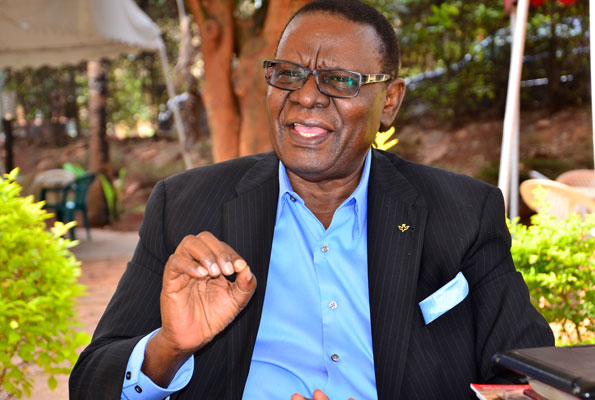
The Chris Rwakasisi Biography tells one of the most dramatic, controversial, and transformative stories in Uganda’s political history. Few public figures have experienced such extraordinary highs and devastating lows. At one point, Chris Rwakasisi stood among the most powerful men in Uganda, serving in the government of former President Milton Obote during one of the country’s most turbulent political eras. Later, however, he became a convicted prisoner on death row, spending more than two decades behind bars before eventually receiving a presidential pardon.
His life resembles a political thriller rather than a conventional biography. On one side stands a man who held immense influence within Uganda’s security establishment during the early 1980s. On the other side stands a prisoner who spent 24 years in Luzira Maximum Security Prison, reflecting on power, mistakes, forgiveness, and reconciliation. Consequently, his story continues to attract attention from historians, political analysts, students, and ordinary citizens seeking to understand Uganda’s complex political journey.
The Chris Rwakasisi Biography also highlights larger themes that extend beyond one individual. His life reflects the dangers of political conflict, the consequences of power struggles, and the possibility of redemption. At the same time, it demonstrates how political enemies can eventually become allies. His later relationship with President Yoweri Museveni surprised many observers because the two men once stood on opposite sides of Uganda’s bitter political divide. Yet years later, reconciliation replaced hostility.
As a result, Chris Rwakasisi remains a significant figure in Ugandan political history. His life story offers lessons about leadership, loyalty, justice, imprisonment, forgiveness, and survival. Therefore, understanding his journey provides valuable insight into both the man himself and the broader political environment that shaped modern Uganda.
Quick Facts About Chris Rwakasisi
| Fact | Details |
|---|---|
| Full Name | Chris Rutimbirayo Rwakasisi |
| Nationality | Ugandan |
| Place of Birth | Bushenyi District, Uganda |
| Profession | Politician and Former Security Minister |
| Known For | Serving under Milton Obote’s government |
| Political Party | Uganda People’s Congress (UPC) |
| Major Position | Minister of State in the Office of the President |
| Security Role | Head of National Security Agency (NASA) |
| Prison Sentence | Death sentence in 1988 |
| Time Served | 24 years in prison |
| Released | January 2009 through presidential pardon |
| Famous For | Reconciliation with President Museveni |
Who Is Chris Rwakasisi?
Chris Rutimbirayo Rwakasisi is a former Ugandan politician who served as a key security official during the second administration of President Milton Obote. Throughout the early 1980s, he occupied one of the most influential positions within Uganda’s security apparatus. Consequently, he became closely associated with government efforts to combat insurgencies and maintain political control during a highly unstable period.
The Chris Rwakasisi Biography attracts widespread interest because it combines political influence, controversy, imprisonment, and redemption into a single life story. Unlike many political figures whose careers follow predictable paths, Rwakasisi’s journey took unexpected turns that dramatically altered his destiny.
Many Ugandans remember him as the man who supervised the National Security Agency (NASA), a powerful security organization during the Obote II government. Others remember him as a political prisoner who spent nearly a quarter century on death row. Meanwhile, younger generations know him through public speeches about forgiveness and reconciliation. Therefore, his public image continues to evolve across different generations and political perspectives.
Early Life and Childhood Background
Chris Rwakasisi was born in Bushenyi District in western Uganda. During his childhood, Uganda was experiencing significant political changes as the country navigated colonial rule, independence, and post-independence governance challenges. Consequently, his formative years unfolded within an environment shaped by political uncertainty and national transformation.
Like many young Ugandans of his generation, Rwakasisi grew up witnessing the impact of political leadership on everyday life. These experiences likely influenced his later interest in governance, public service, and national security. Although detailed public records regarding his childhood remain limited, available historical accounts suggest that he developed strong ambitions from an early age.
Growing up in Bushenyi also exposed him to the cultural values of western Uganda. Community responsibility, resilience, and leadership traditionally play important roles within the region. Therefore, these influences may have contributed to the confidence and determination that later characterized his political career.
His early life coincided with a period when Uganda’s future remained uncertain. As a result, many young people sought opportunities within public service, politics, and administration. Rwakasisi eventually followed that path, setting the stage for a career that would place him at the center of national affairs.
Chris Rwakasisi Age and Personal Details
One of the most frequently searched aspects of the Chris Rwakasisi Biography concerns his age. However, publicly available records do not consistently provide his exact birth date. Despite this uncertainty, most estimates place him among the generation of Ugandan leaders who became politically active during the country’s early post-independence decades.
Age often matters in political biographies because it provides context for understanding historical experiences. In Rwakasisi’s case, his generation witnessed some of Uganda’s most dramatic events, including independence, military coups, civil conflict, and political transitions. Consequently, these experiences shaped both his worldview and career choices.
Beyond age, many readers seek information about his personality and character. Over the years, interviews and public appearances have revealed a man capable of deep reflection. His speeches following release from prison often focus on forgiveness, reconciliation, and personal transformation. Therefore, his public image today differs significantly from the powerful security official he once was.
Education and Academic Background
Education played an important role in preparing Chris Rwakasisi for leadership responsibilities. Although detailed academic records remain limited in public sources, his later positions within government indicate substantial intellectual and administrative capability.
Political leadership, particularly within security institutions, requires analytical thinking, communication skills, and strategic planning. Therefore, educational experiences likely contributed significantly to his professional development. During Uganda’s early post-independence years, educated individuals often advanced into public service roles because the country needed trained administrators and policymakers.
Learning extends beyond formal classrooms. Throughout his political career, Rwakasisi gained practical experience in governance, security management, and political organization. These experiences became forms of education in their own right. Consequently, his expertise developed through both academic learning and direct involvement in state affairs.
His later reflections on politics, reconciliation, and national unity also suggest a thoughtful understanding of leadership and governance. Therefore, while public records regarding specific educational qualifications remain scarce, his career demonstrates significant administrative and political competence.
Political Career and Rise to Power
The Chris Rwakasisi Biography cannot be understood without examining his political rise during the Milton Obote era. As Uganda struggled with security challenges and political instability, leaders with organizational skills and loyalty to government structures gained prominence. Rwakasisi emerged as one of those individuals.
His association with the Uganda People’s Congress (UPC) positioned him within one of the country’s most influential political organizations. Through dedication and political involvement, he gradually advanced into increasingly important roles. Consequently, he became a trusted figure within the Obote administration.
Political advancement often requires a combination of competence, networking, and timing. Rwakasisi appeared to possess all three qualities. As Uganda confronted insurgencies and security threats, his expertise became increasingly valuable. Therefore, his influence expanded rapidly within government circles.
The political environment of the early 1980s was highly competitive and frequently dangerous. Leaders operated under constant pressure while facing complex security challenges. Nevertheless, Rwakasisi continued rising through government structures, eventually reaching one of the country’s most powerful security positions.
Role as Security Minister and Head of NASA
Among the most important chapters in the Chris Rwakasisi Biography was his role as Minister of State in the Office of the President and head of the National Security Agency. This position placed him at the center of Uganda’s security operations during a turbulent period.
NASA functioned as a powerful intelligence and security organization under the Obote II government. As its leader, Rwakasisi exercised significant influence over security matters. Consequently, he became one of the most recognizable figures within Uganda’s political establishment.
His responsibilities included overseeing intelligence activities, monitoring security threats, and supporting government stability efforts. During periods of political conflict, security agencies often become central institutions within government structures. Therefore, his role carried both considerable authority and substantial controversy.
Supporters viewed him as a committed public servant working to protect the state. Critics, however, accused the security establishment of excessive force and human rights violations. As a result, his legacy remains closely tied to broader debates about Uganda’s political history during the Obote era.
The 1985 Coup and Arrest
The turning point in Chris Rwakasisi’s life arrived during the 1985 military coup that overthrew President Milton Obote’s government. Political fortunes can change rapidly, and few examples illustrate that reality more dramatically than Rwakasisi’s experience.
According to historical accounts, he attempted to flee following the coup but was arrested near the River Nile in Jinja. The government he had served collapsed, and the political landscape shifted almost overnight. Consequently, the man who once held immense influence suddenly found himself in custody.
The arrest marked the beginning of a long and difficult chapter. Political transitions often bring legal scrutiny of former officials, especially those associated with security institutions. Therefore, investigations and prosecutions followed as new authorities examined actions taken during previous administrations.
For Rwakasisi, the consequences proved severe. What began as political downfall eventually evolved into one of Uganda’s longest and most controversial imprisonment stories.
Trial, Conviction, and Death Sentence
Following his arrest, Chris Rwakasisi faced charges related to kidnapping with intent to murder. After lengthy legal proceedings, a court convicted him in 1988 and sentenced him to death. The verdict shocked many observers because of both his former status and the severity of the punishment.
A death sentence represents one of the harshest penalties any individual can receive. Therefore, the conviction transformed his life permanently. The powerful minister became a death-row inmate, confronting a future defined by uncertainty and confinement.
His legal team pursued appeals, but courts ultimately upheld the conviction. Consequently, he remained imprisoned while Uganda continued evolving politically and economically outside prison walls. Meanwhile, years gradually turned into decades.
The case remains one of the most discussed episodes in Ugandan political history. Supporters argued that political motivations influenced the proceedings, while critics maintained that accountability was necessary. Regardless of perspective, the conviction dramatically reshaped both his personal life and public legacy.
Life in Luzira Prison
Perhaps the most remarkable chapter of the Chris Rwakasisi Biography involves his 24 years in Luzira Maximum Security Prison. Spending nearly a quarter century behind bars requires extraordinary mental resilience. Consequently, prison transformed him in profound ways.
Many prisoners struggle to maintain hope during long sentences. Yet Rwakasisi survived decades of confinement while awaiting an uncertain future. During this period, he reflected deeply on politics, faith, forgiveness, and personal responsibility. These reflections later became central themes in his public speeches.
Prison also removed him from active political life. While Uganda experienced economic reforms, elections, and institutional changes, he remained isolated from those developments. Therefore, his eventual release represented not only freedom but also reentry into a vastly different country.
Years later, he would describe prison as a place of transformation rather than simply punishment. This perspective surprised many people who expected bitterness after such a lengthy incarceration. Instead, he increasingly emphasized reconciliation and healing.
Presidential Pardon and Release
In January 2009, President Yoweri Museveni exercised presidential mercy powers and pardoned Chris Rwakasisi. After 24 years in prison, he finally walked free. The decision generated widespread discussion because Museveni and Rwakasisi had once been bitter political enemies.
The pardon symbolized more than personal freedom. It also represented an act of political reconciliation within Uganda’s broader national context. Consequently, many observers viewed the decision as an important gesture of unity and forgiveness.
Upon release, Rwakasisi expressed gratitude rather than anger. His response surprised those who expected criticism of the government that had imprisoned him. Instead, he focused on reconciliation and rebuilding relationships.
The release marked the beginning of a new phase in his life. No longer defined solely by imprisonment, he gradually became known for messages promoting peace, forgiveness, and national cohesion.
Family, Wife, and Personal Life
The Chris Rwakasisi Biography includes important personal dimensions often overshadowed by politics and imprisonment. Throughout his incarceration, family members remained among his strongest sources of support. Their loyalty helped him endure years of uncertainty and isolation.
Although public information regarding his wife and private family matters remains relatively limited, available reports frequently mention the presence of children and relatives during significant moments, including his release from prison. Family support often becomes especially important during periods of hardship. Therefore, their role in his survival cannot be overlooked.
Personal relationships frequently determine how individuals respond to adversity. In Rwakasisi’s case, maintaining family connections likely contributed to his resilience during decades of confinement. Consequently, his story reflects not only individual endurance but also collective family strength.
Following release, he gradually reconnected with relatives and community members. These reunions became emotional reminders of the years lost during imprisonment.
Net Worth and Financial Standing
Discussions about wealth frequently accompany public biographies. However, determining Chris Rwakasisi’s exact net worth remains difficult because publicly verified financial records are unavailable.
Unlike business executives or entertainment celebrities, his career centered primarily on politics and public service. Therefore, financial success was never the primary focus of his public identity. Instead, his reputation rests largely on political influence, controversy, imprisonment, and reconciliation.
Years spent in prison also significantly affected economic opportunities. Consequently, discussions about net worth remain speculative rather than evidence-based. Most reliable assessments focus on his historical significance rather than financial standing.
Publications, Speeches, and Thought Leadership
Although Chris Rwakasisi is not widely known for published books, his speeches have contributed significantly to public discussions about reconciliation and forgiveness. Since his release, he has participated in various public events where he reflects on political conflict, national unity, and personal transformation.
His remarks often emphasize forgiveness over revenge. This message carries particular weight because it comes from someone who spent decades on death row. Therefore, audiences frequently view his experiences as powerful lessons in resilience and reconciliation.
Public speaking has allowed him to reshape his legacy. Rather than remaining defined exclusively by controversy, he now contributes to conversations about healing and national cohesion.
Awards, Recognition, and Historical Significance
Formal awards may not dominate the Chris Rwakasisi Biography, yet his historical significance remains undeniable. Few individuals have occupied such dramatically different positions within a nation’s history. He has been both a powerful minister and a condemned prisoner.
Recognition also comes through public memory. Historians, journalists, and political researchers frequently reference his story when examining Uganda’s political evolution. Consequently, his experiences continue informing discussions about governance, justice, and reconciliation.
His later relationship with President Museveni further strengthened his historical relevance. The transformation from enemy to ally became a powerful symbol of political forgiveness and national healing.
Controversies and Political Debates
No serious biography of Chris Rwakasisi can ignore controversy. His tenure within Uganda’s security establishment remains a subject of intense debate. Critics have long associated the Obote II government with allegations of human rights abuses and political repression.
As head of NASA, Rwakasisi became linked to those broader controversies. Consequently, discussions about his legacy often involve competing interpretations. Supporters argue that he worked under difficult circumstances to protect national stability. Critics maintain that accountability for alleged abuses remains essential.
Political history rarely offers simple answers. Therefore, debates surrounding his role continue decades later. Nevertheless, these controversies remain central to understanding his place within Uganda’s historical narrative.
Legacy and Influence
The Chris Rwakasisi Biography ultimately represents a story of transformation. His legacy extends beyond political office, imprisonment, or controversy. Instead, it includes lessons about power, resilience, forgiveness, and reconciliation.
Few people experience such dramatic changes in fortune. Yet Rwakasisi adapted to each stage of his journey. From minister to prisoner and from enemy to friend, he repeatedly reinvented his public identity.
Today, many Ugandans view him as a symbol of reconciliation. His willingness to forgive former adversaries demonstrates a capacity for personal growth that continues inspiring others. Consequently, his influence extends beyond politics into broader conversations about healing and redemption.
History will likely remember Chris Rwakasisi as one of Uganda’s most complex political figures. His story challenges simplistic judgments and encourages deeper reflection on leadership, justice, and human transformation.
Conclusion
The Chris Rwakasisi Biography reveals a remarkable journey through power, controversy, imprisonment, and reconciliation. From his rise within the Obote government to his decades on death row and eventual presidential pardon, his life mirrors many of the political struggles that shaped modern Uganda.
Throughout his career, he occupied positions of extraordinary influence. Later, he endured years of hardship that would have broken many individuals. Yet his post-prison life demonstrated resilience, reflection, and a surprising commitment to forgiveness. Consequently, his story remains one of Uganda’s most compelling political narratives.
As future generations examine Uganda’s history, Chris Rwakasisi will remain a significant figure. His experiences offer lessons about leadership, accountability, political conflict, and the possibility of redemption. Therefore, his legacy continues to resonate far beyond the events that first brought him national attention.
Frequently Asked Questions
1. Who is Chris Rwakasisi?
Chris Rwakasisi is a former Ugandan politician and security minister who served under President Milton Obote.
2. Why was Chris Rwakasisi imprisoned?
He was convicted in 1988 on charges related to kidnapping with intent to murder and sentenced to death.
3. How long did Chris Rwakasisi spend in prison?
He spent approximately 24 years in Luzira Maximum Security Prison before receiving a pardon.
4. Who pardoned Chris Rwakasisi?
President Yoweri Museveni pardoned him in January 2009 through the presidential prerogative of mercy.
5. What role did Chris Rwakasisi hold in government?
He served as Minister of State in the Office of the President and headed the National Security Agency.
6. What is Chris Rwakasisi known for today?
Today, he is widely known for promoting forgiveness, reconciliation, and national unity.
7. What political party was Chris Rwakasisi associated with?
He was a prominent member of the Uganda People’s Congress (UPC) during the Obote administration.